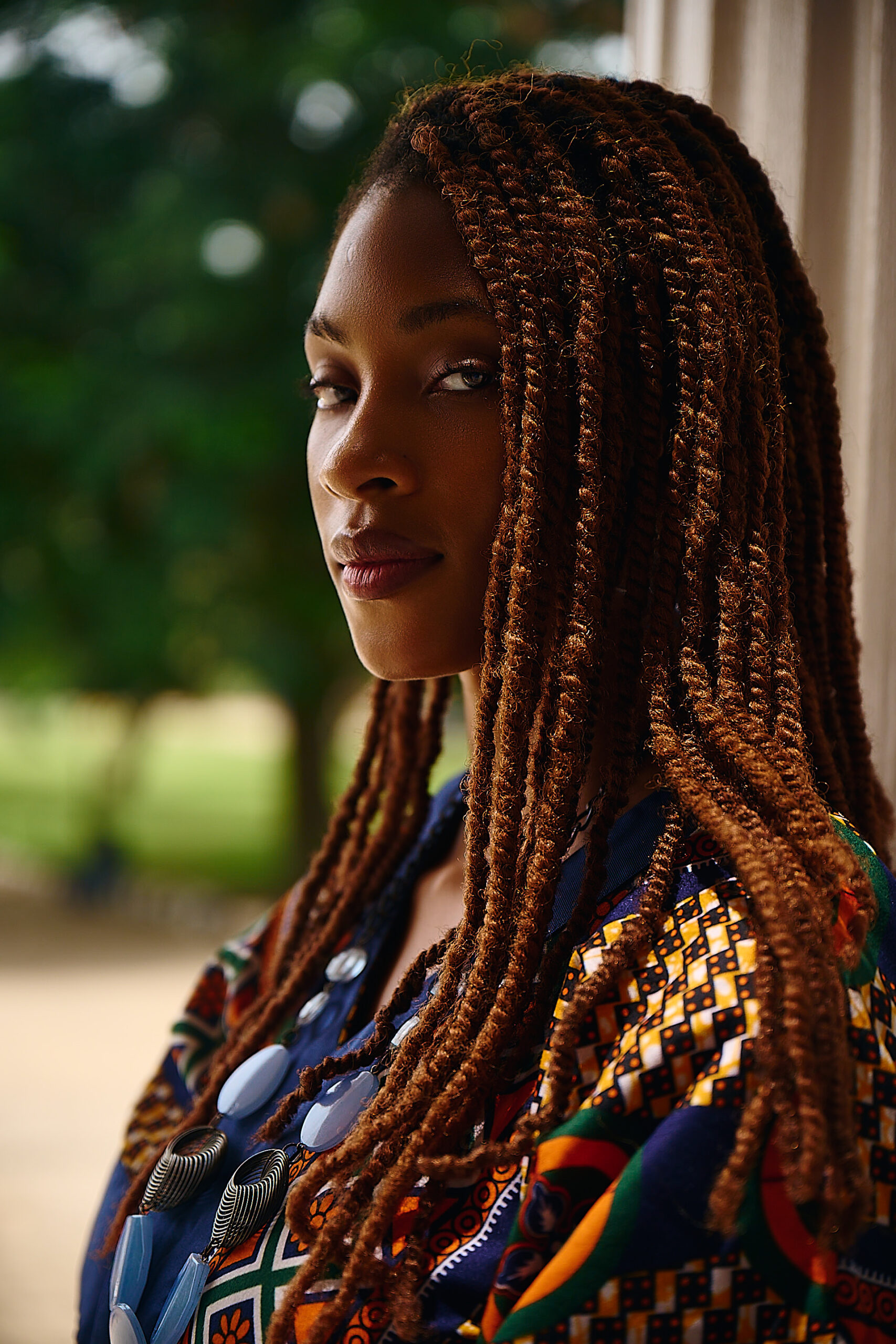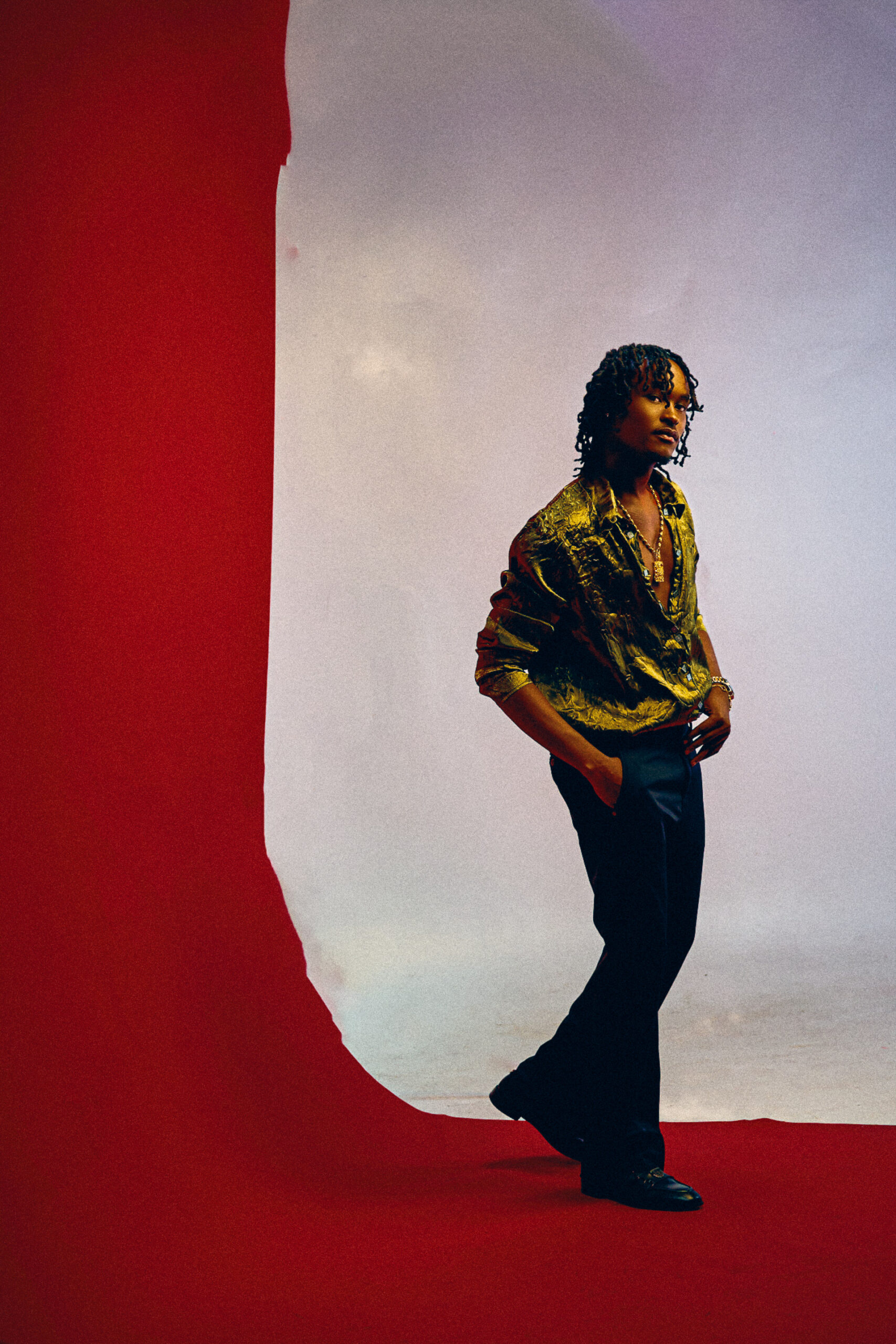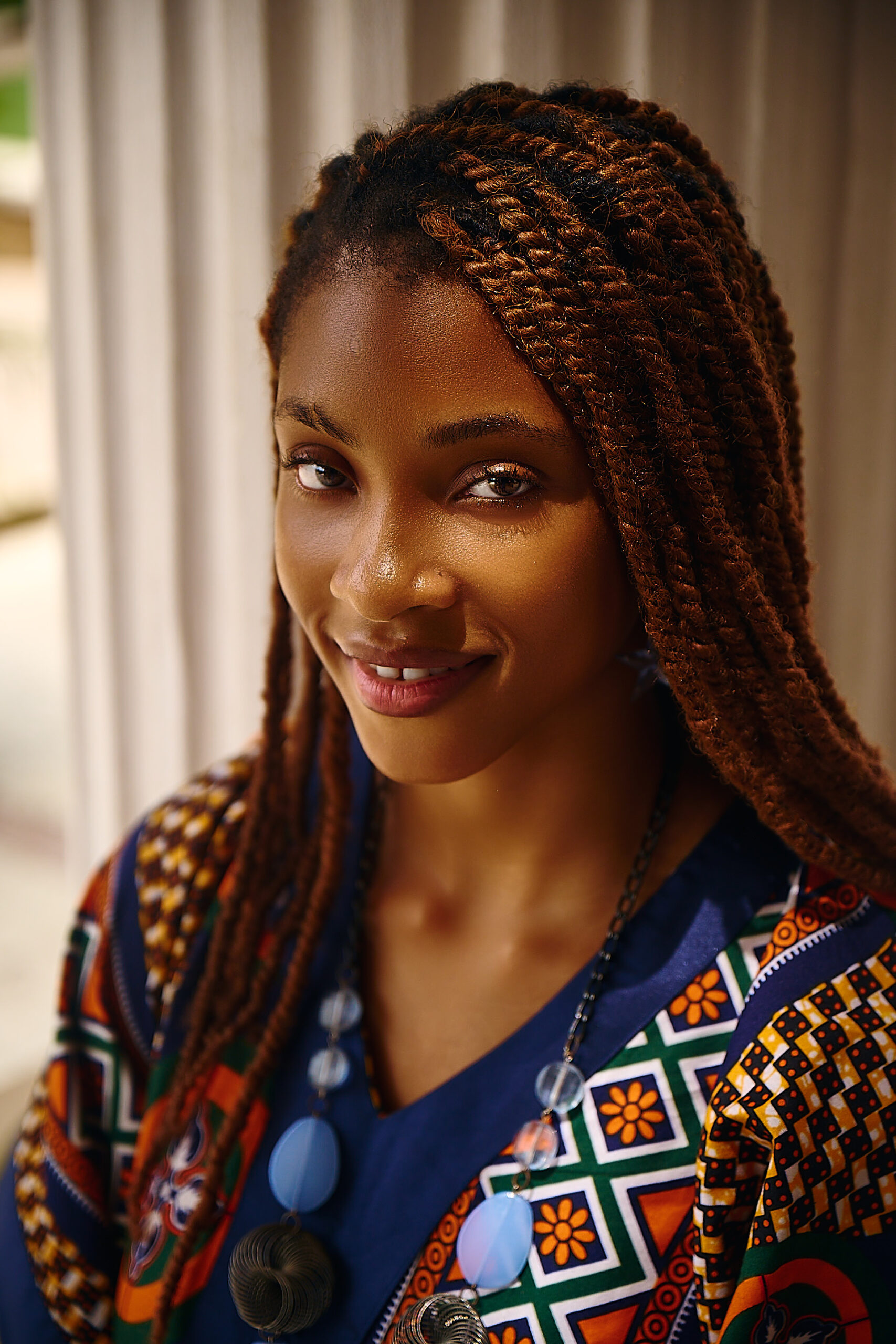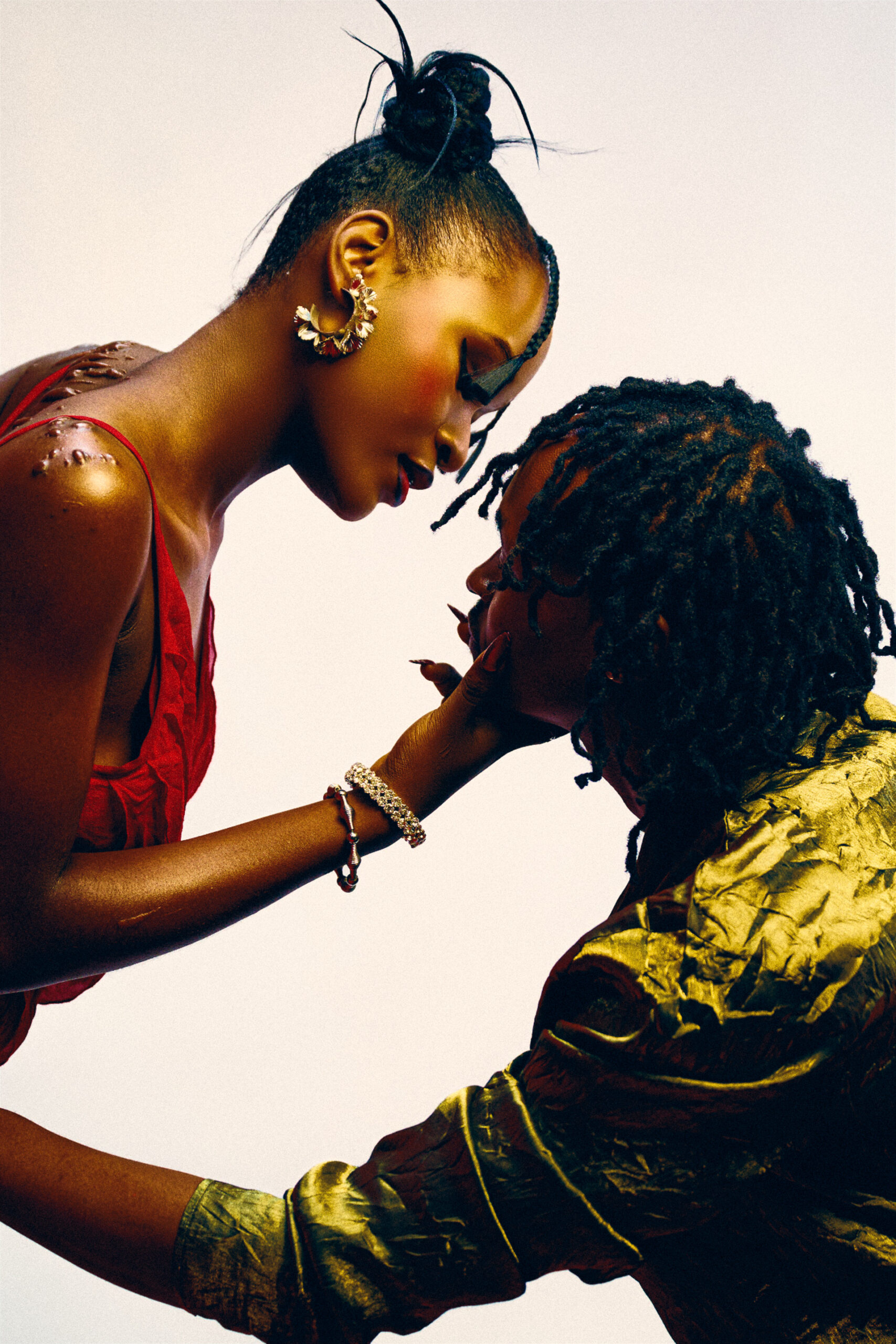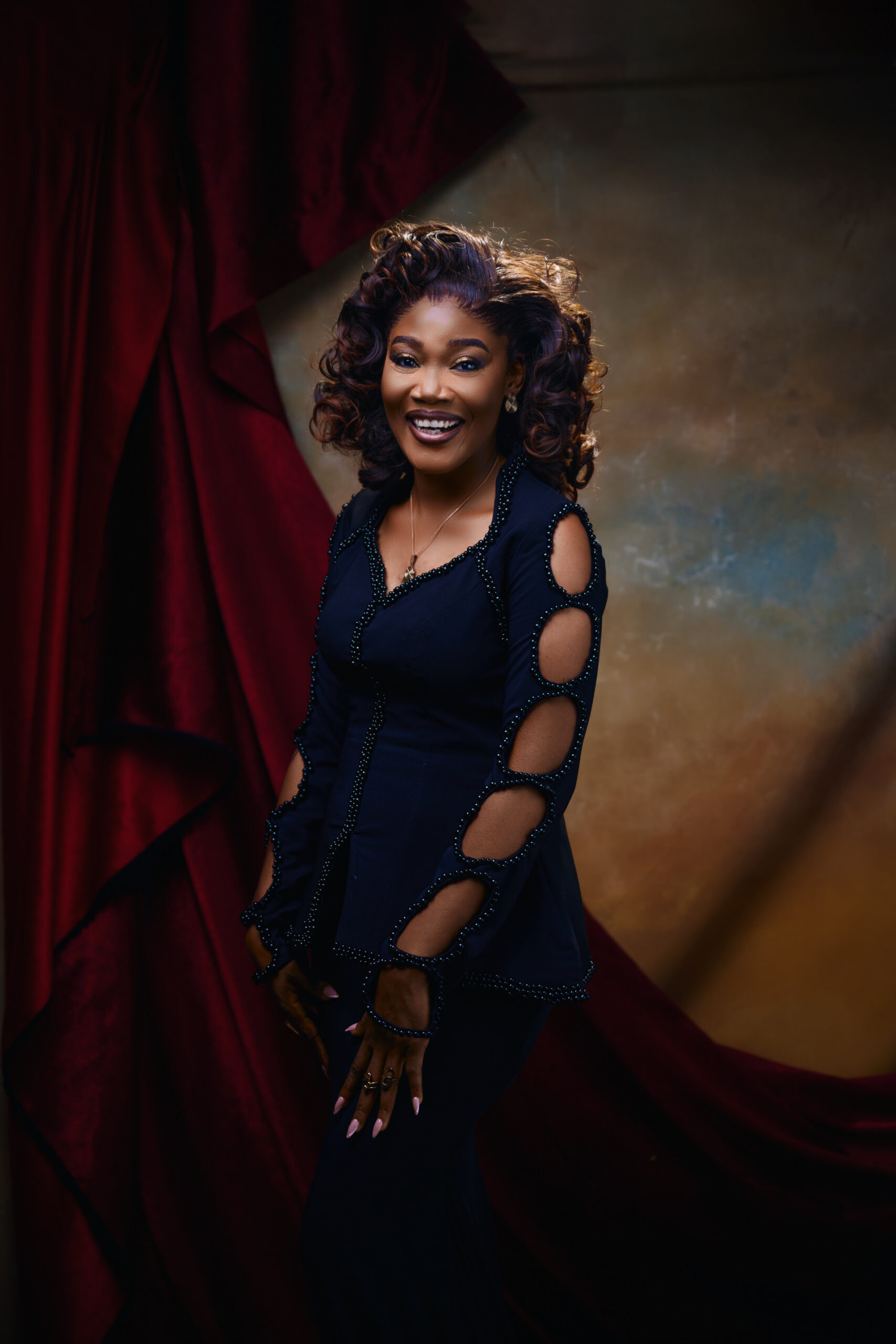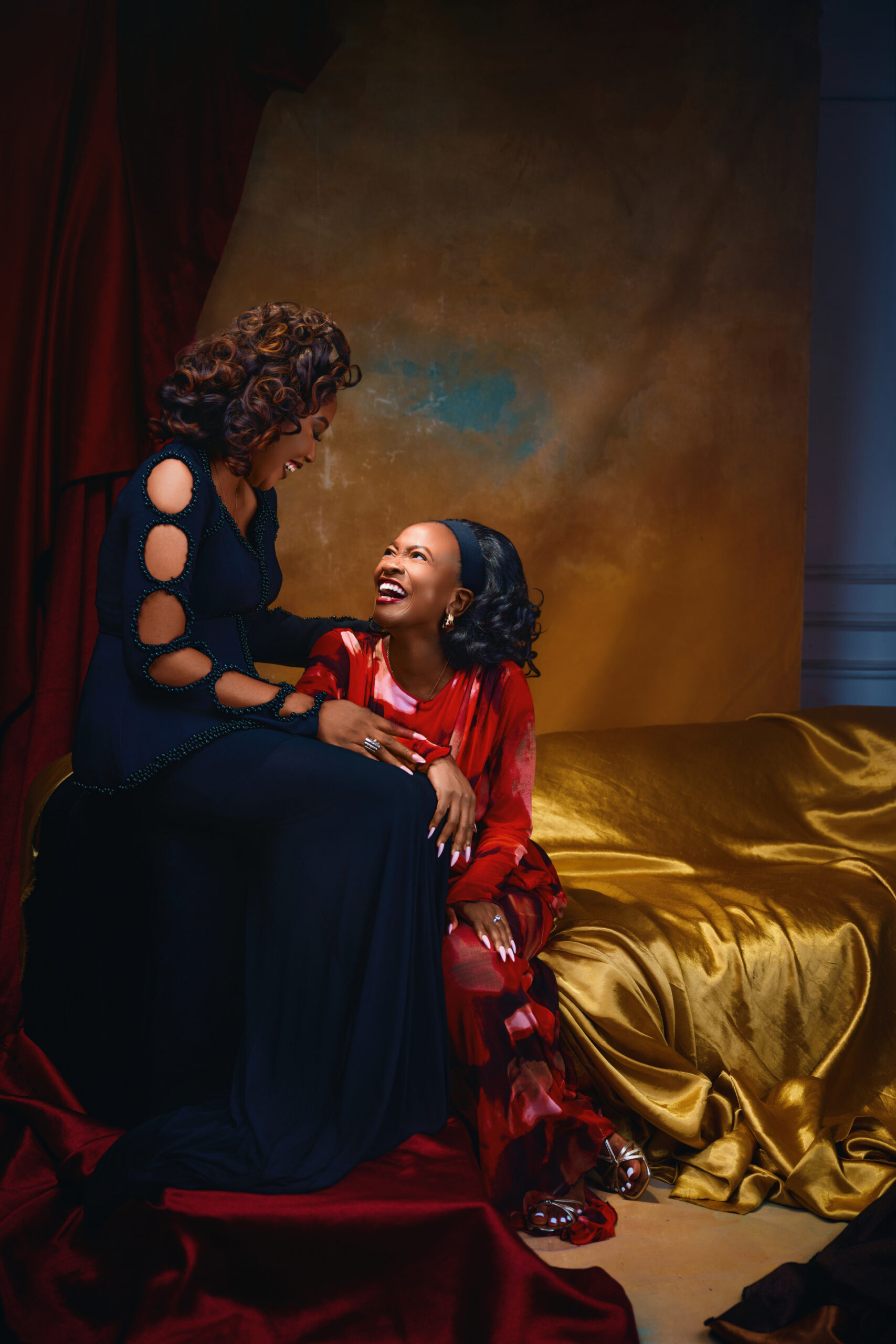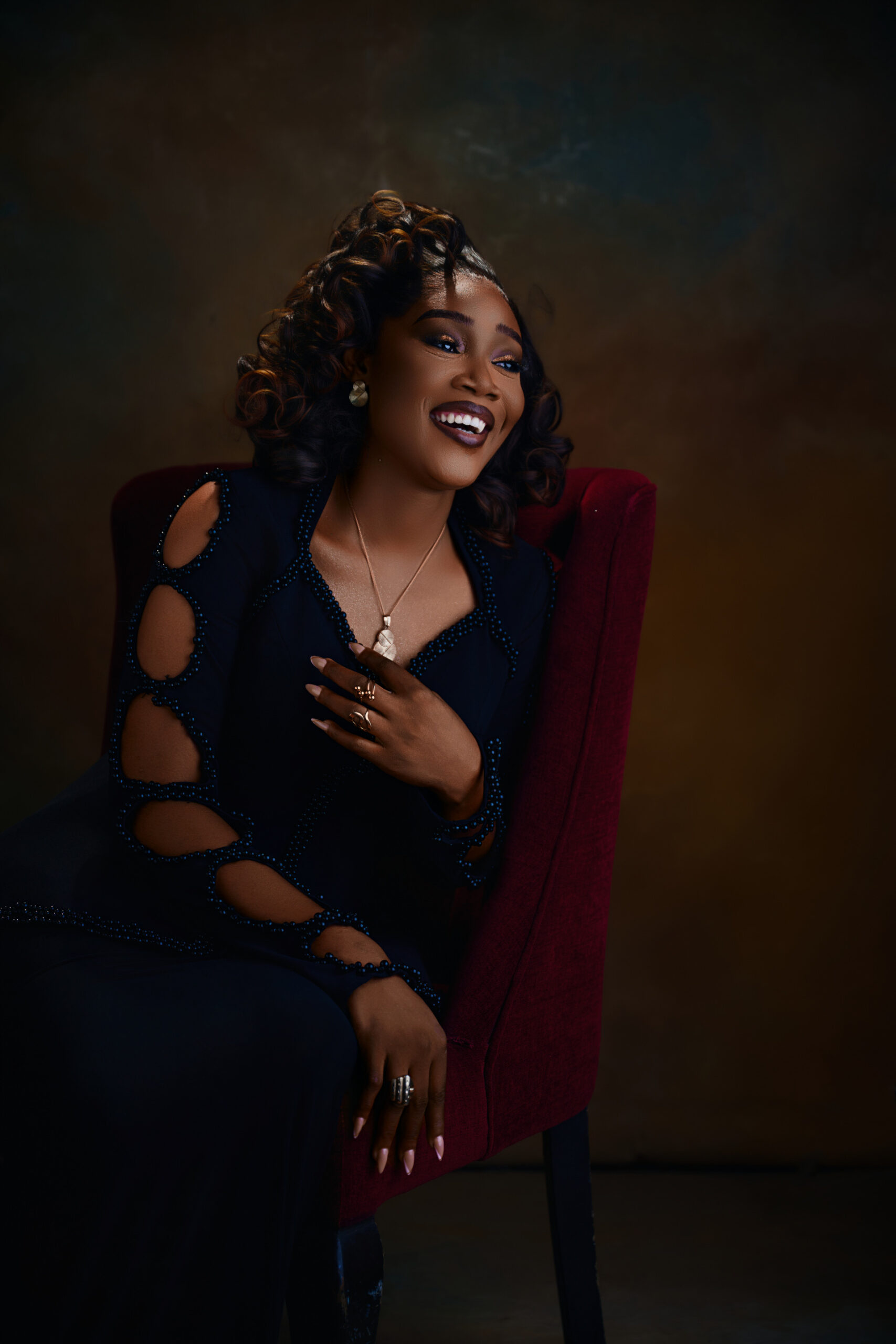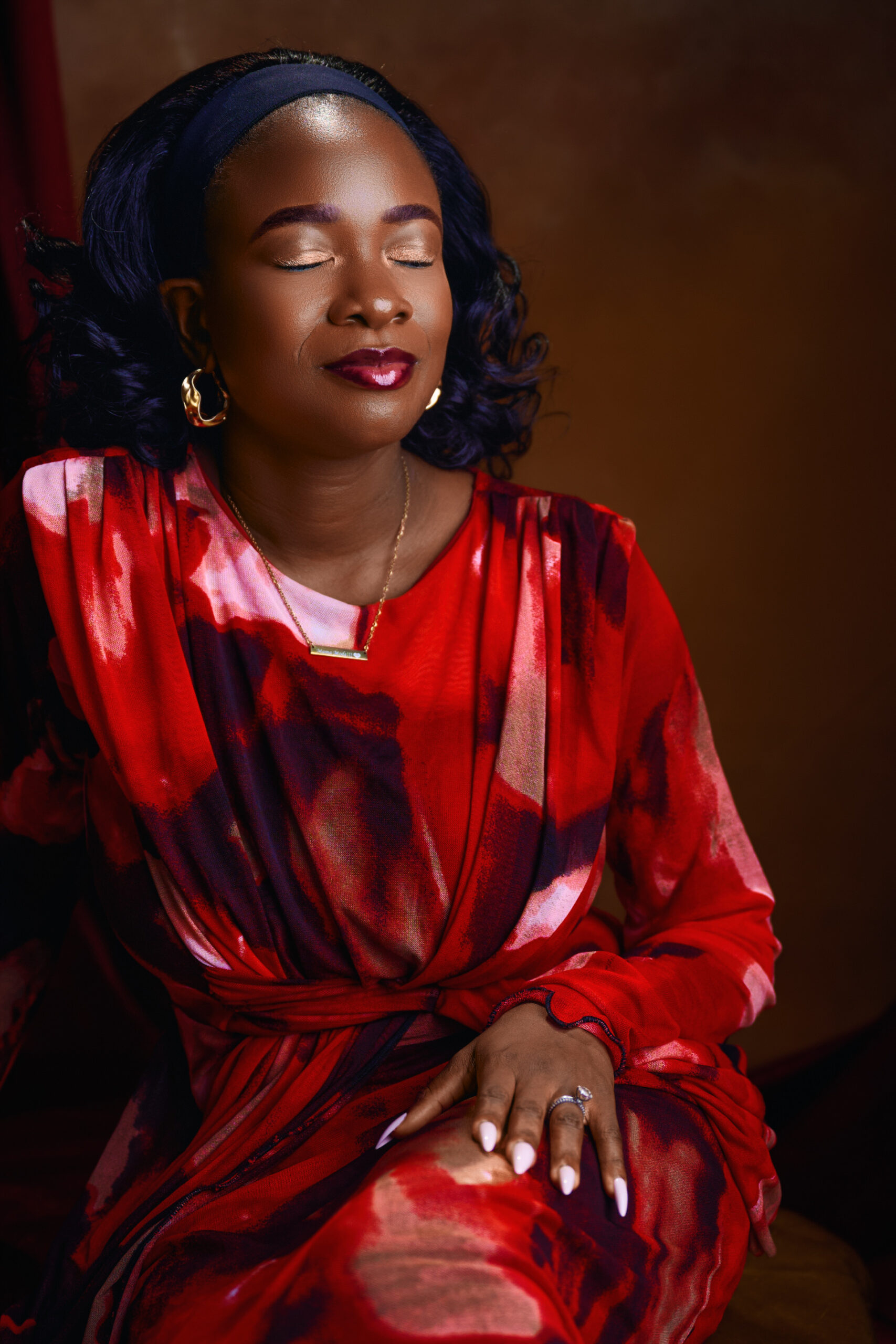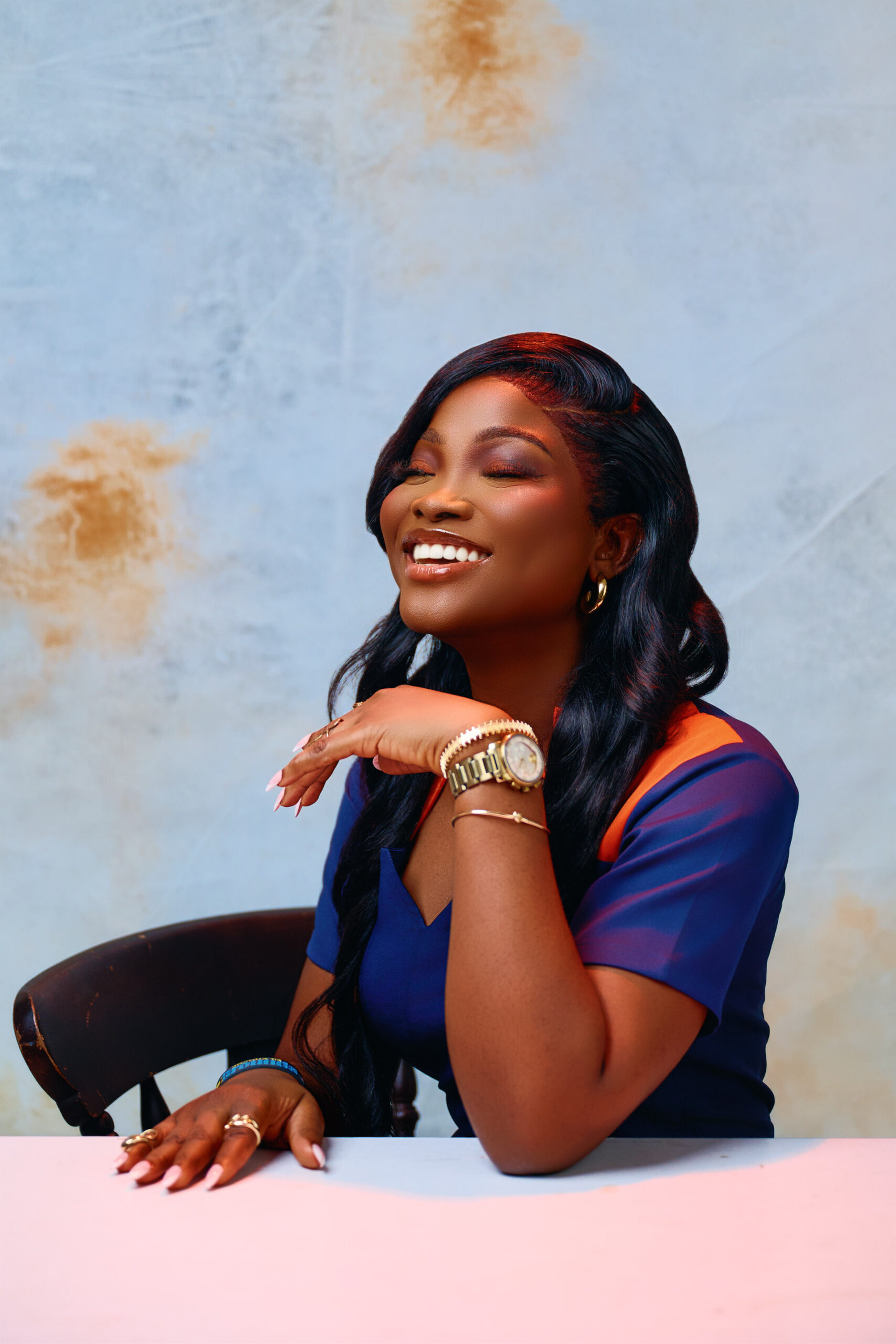
Before and during a shoot, I’m paying close attention to the environment. Not just the physical space, but the energy within it. Is the room tense or relaxed? Will my subject or client be comfortable here? Is he/she nervous or holding back? Is the pace too fast or too slow? Do I need to lighten the mood or make it more energetic?
From the outside, a photoshoot can look simple:
A camera, a subject, a few directions, a series of images being made, chakam here and there and voila an whole gallery is delivered.
And in many ways, it is actually simple, but beneath that simplicity, there is a layer of quiet decisions happening constantly. Things most clients and even people never notice, but those things shape the final result in so many important ways.
Reading the Room
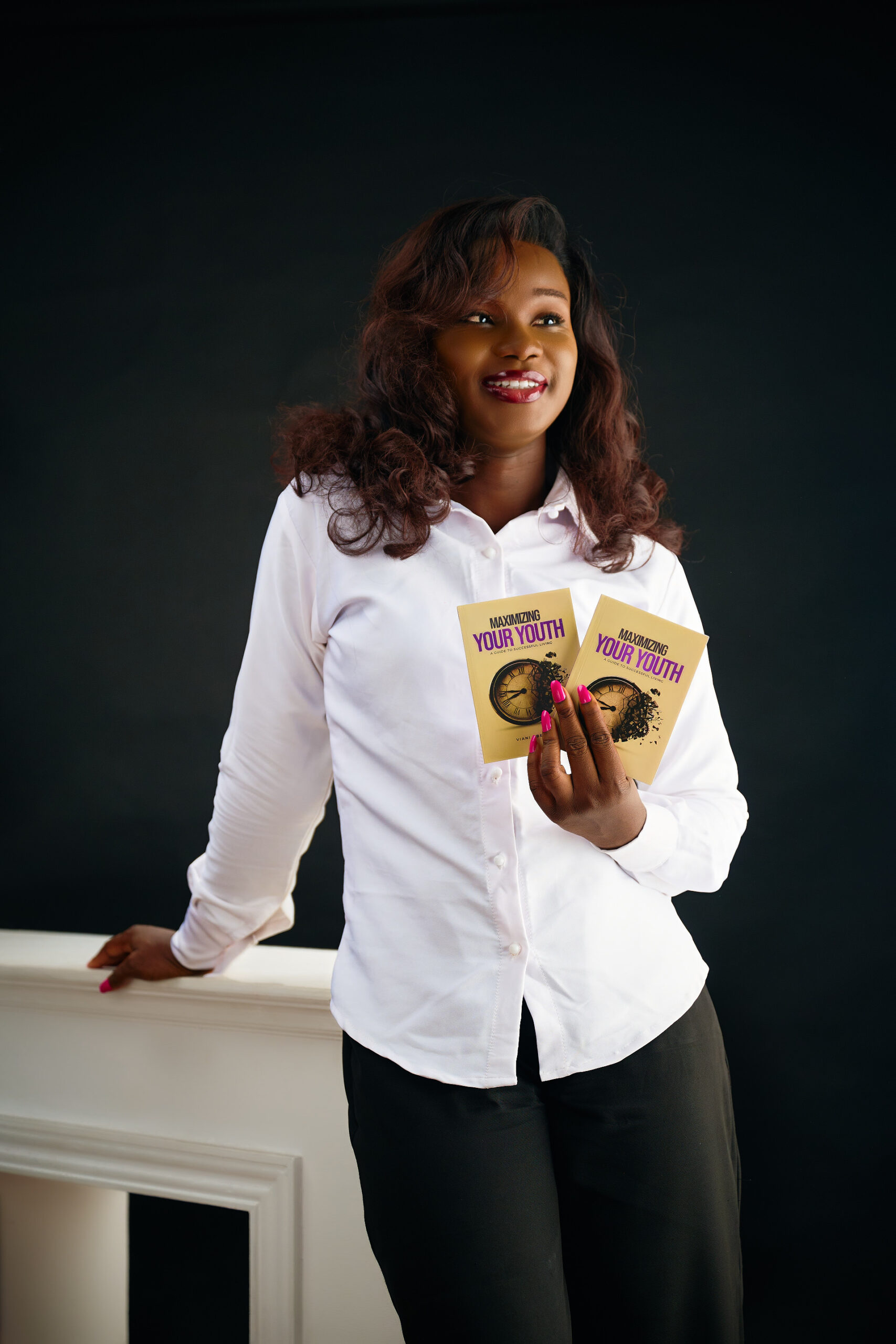
Before and during a shoot, I’m paying close attention to the environment. Not just the physical space, but the energy within it. Is the room tense or relaxed? Will my subject or client be comfortable here? Is he/she nervous or holding back? Is the pace too fast or too slow? Do I need to lighten the mood or make it more energetic?
These observations guide how I approach the session. Sometimes the best decision is to slow things down; other times, it’s to keep the momentum going so the energy doesn’t drop. None of this is announced, but it influences everything.
Adjusting Without Interrupting
Light shifts.
Backgrounds change.
People move.
Throughout the shoot, I’m making small adjustments by repositioning slightly, changing my angles, refining composition; and doing this almost intuitively often without drawing attention to it. The goal is to keep the experience fluid because if every adjustment were explained out loud, the process would feel technical and disruptive, and in a way, doubts begin to grow in the mind of your client or subject. Instead, I try to make these changes quietly, so the subject can stay present.
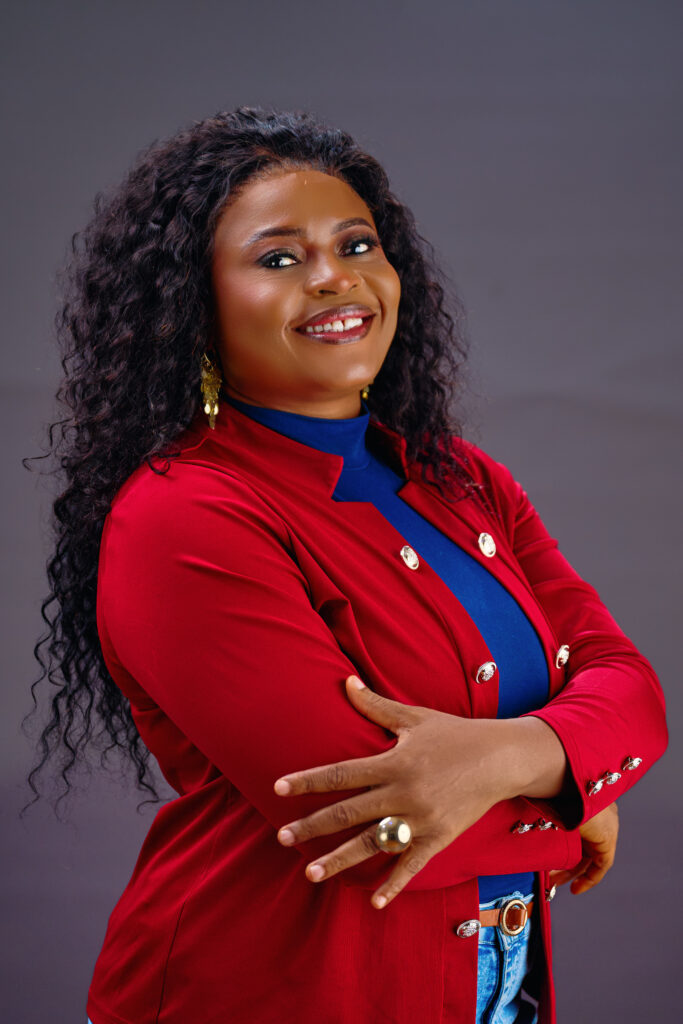
Watching for What Feels Real
Not every good-looking moment is a meaningful one.
As I photograph, I’m constantly asking:
- Does this feel natural?
- Is this expression genuine?
- Are we getting closer to something honest?
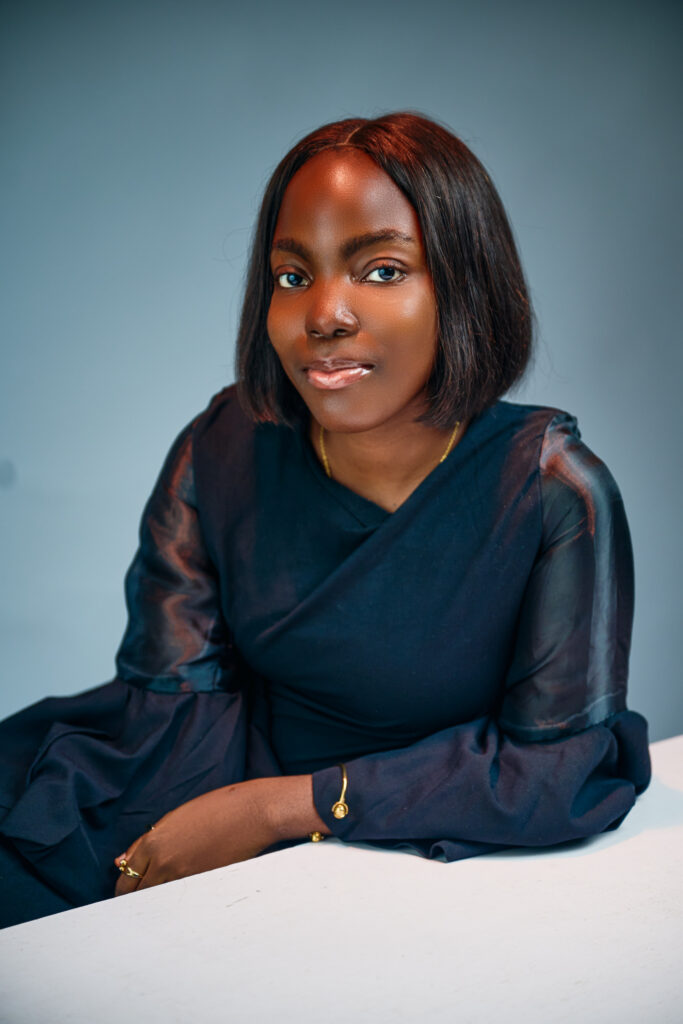
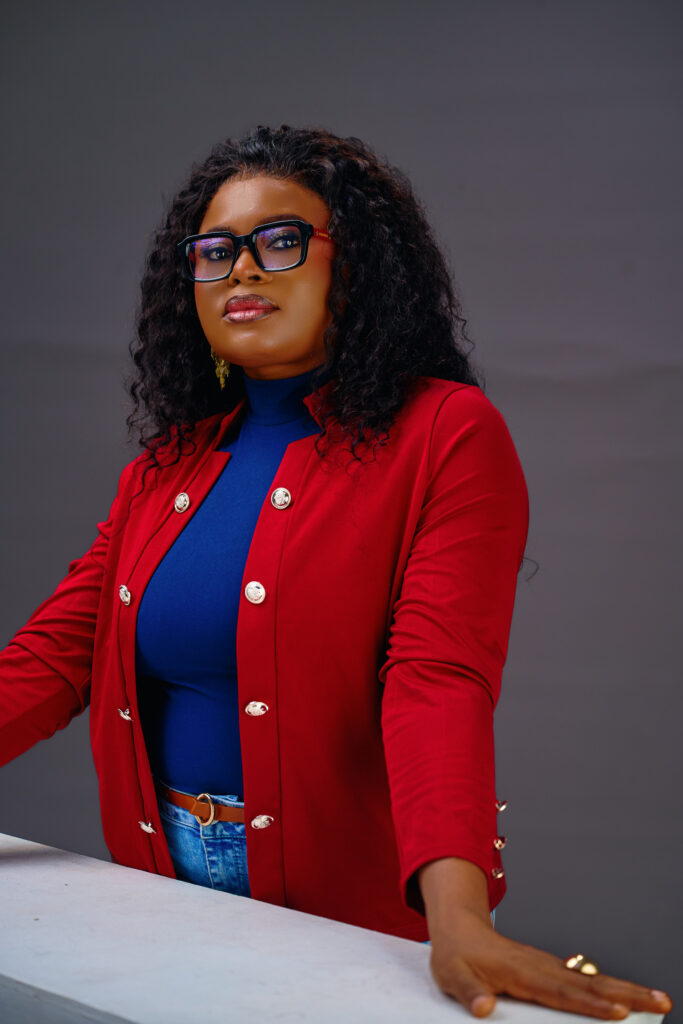
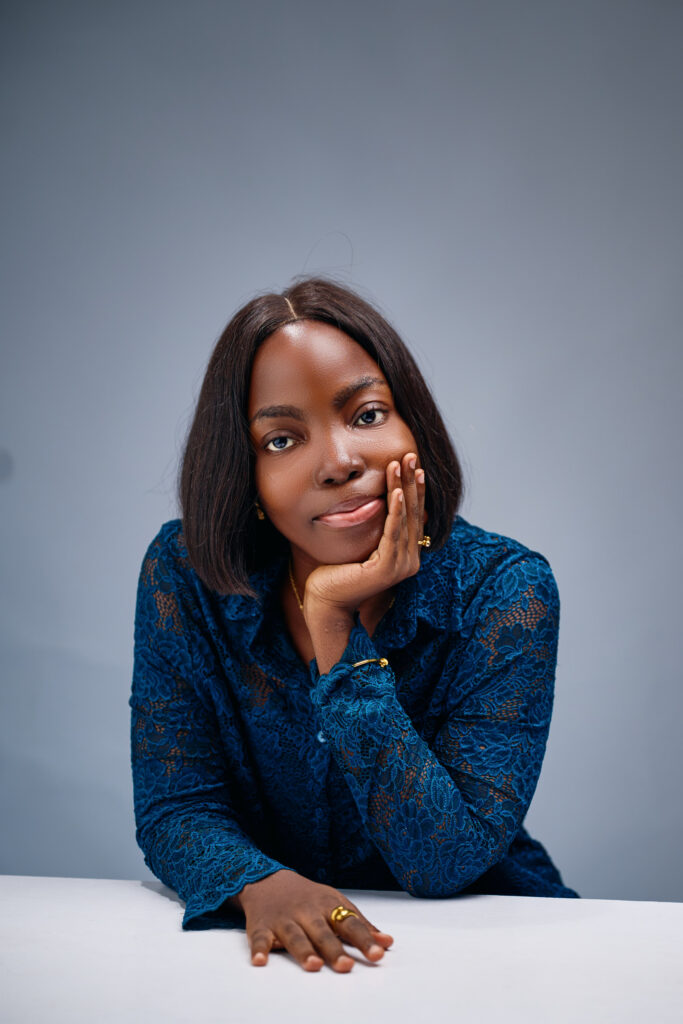
This means letting some moments pass, even if they look “fine,” and waiting for something that feels more aligned. It’s a balance between guiding and observing; knowing when to step in and when to let things unfold.
Managing Small Details
There are also practical things happening in the background. Like a slight adjustment to posture, or a shift in how clothing falls or maybe just a change in framing to remove distractions. These details may seem minor, but they accumulate over time to create images that feel clean, intentional, and well curated. Most clients don’t notice these changes as they happen, but they feel the difference when they see the final photographs.
Holding the Bigger Picture in Mind
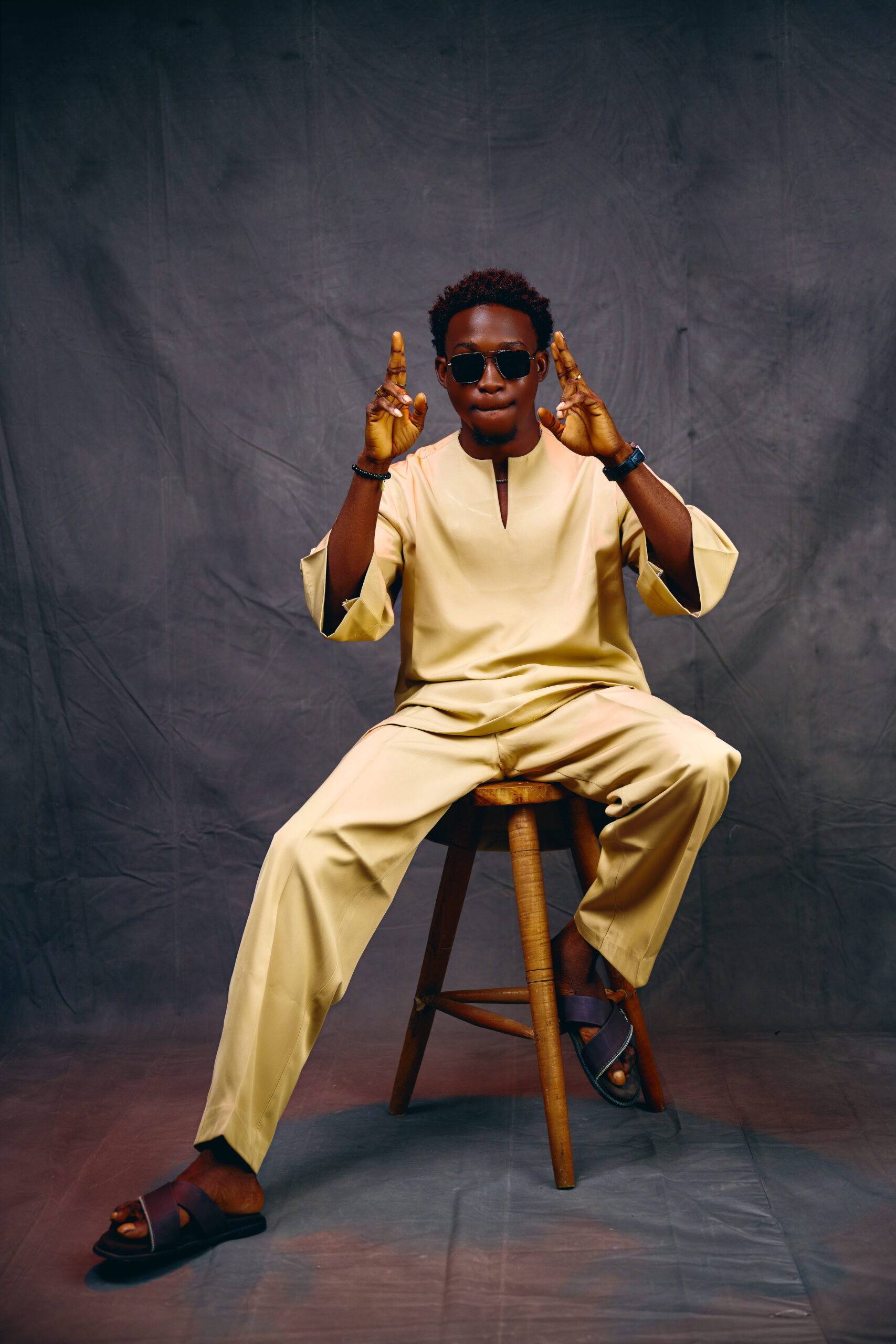
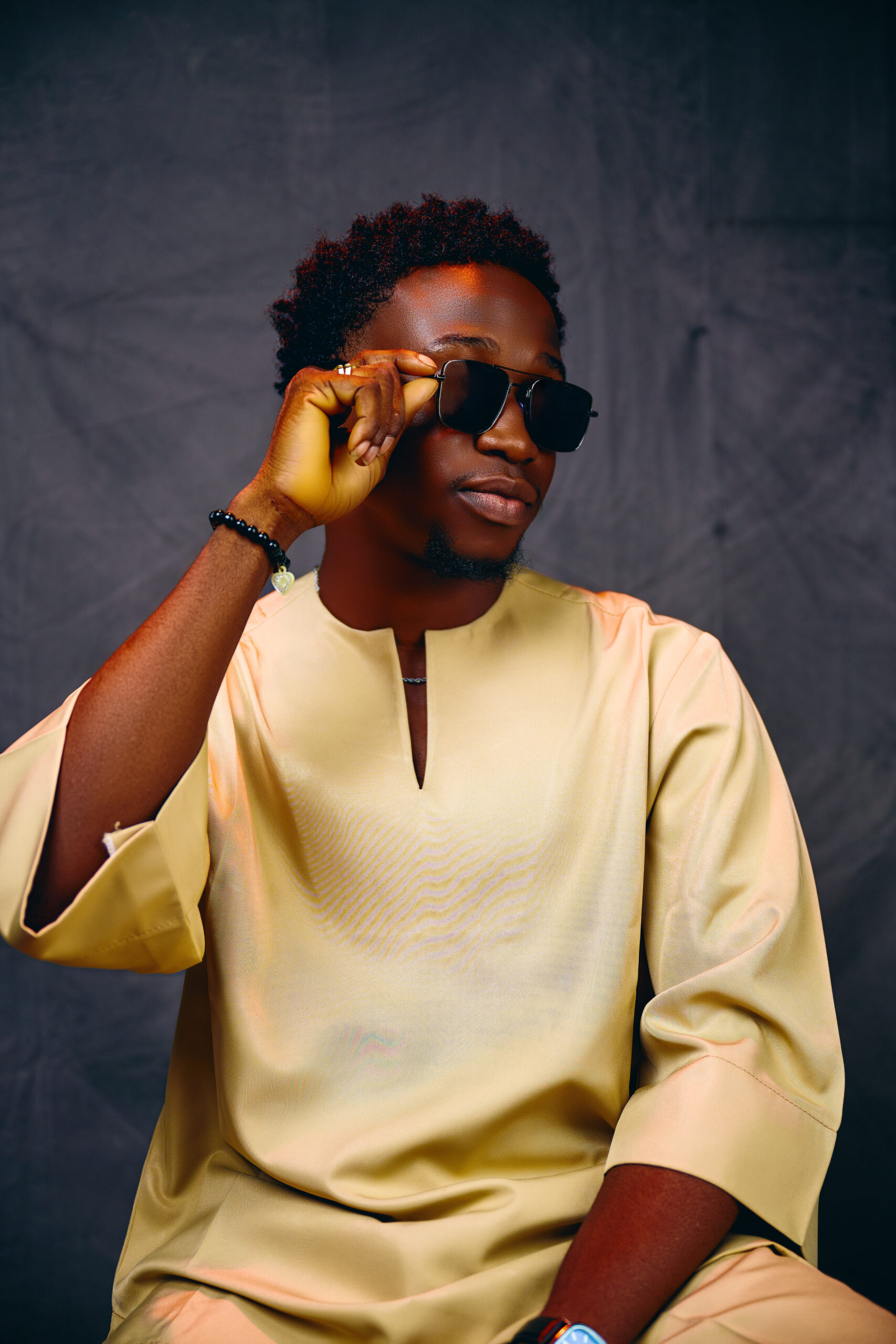
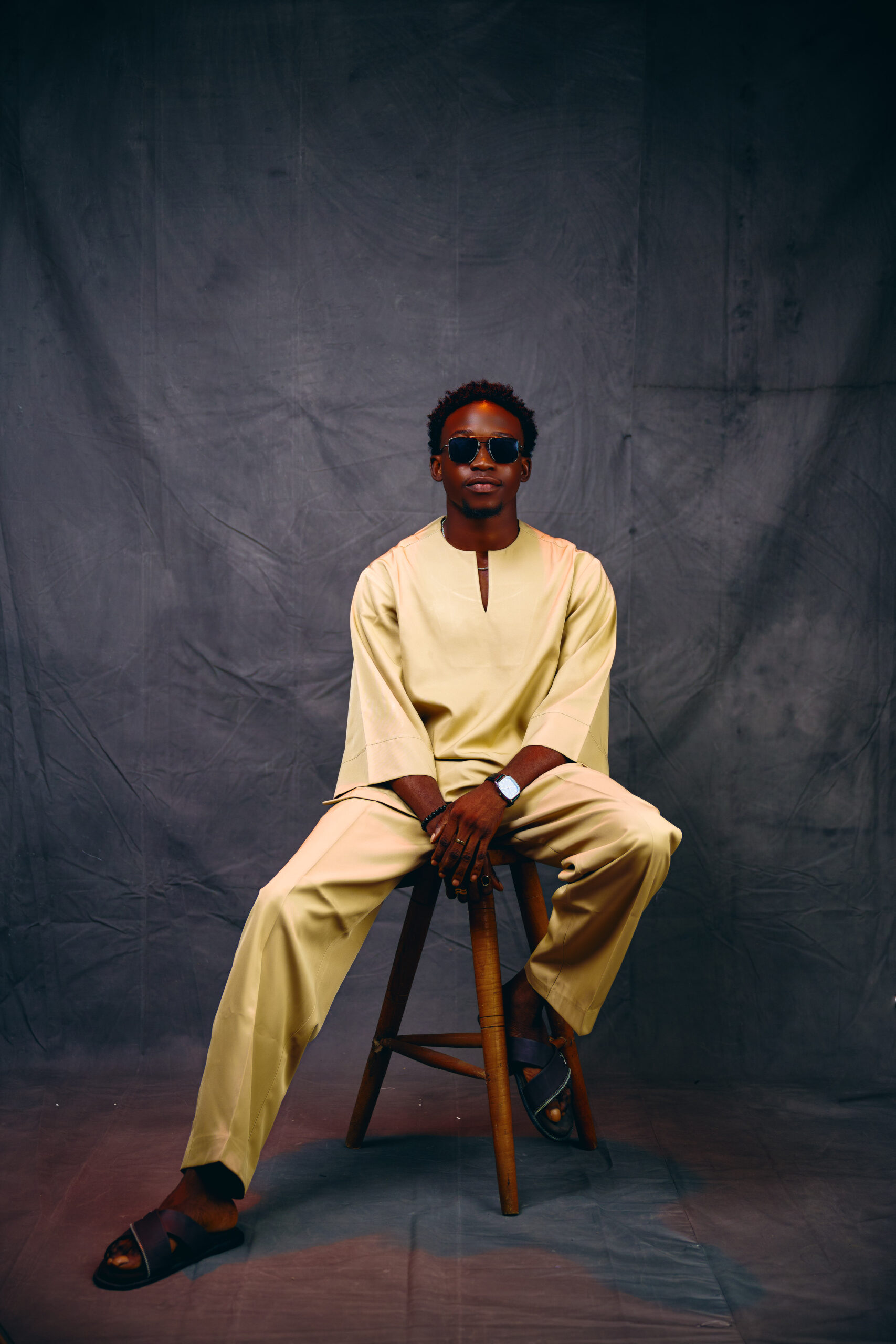
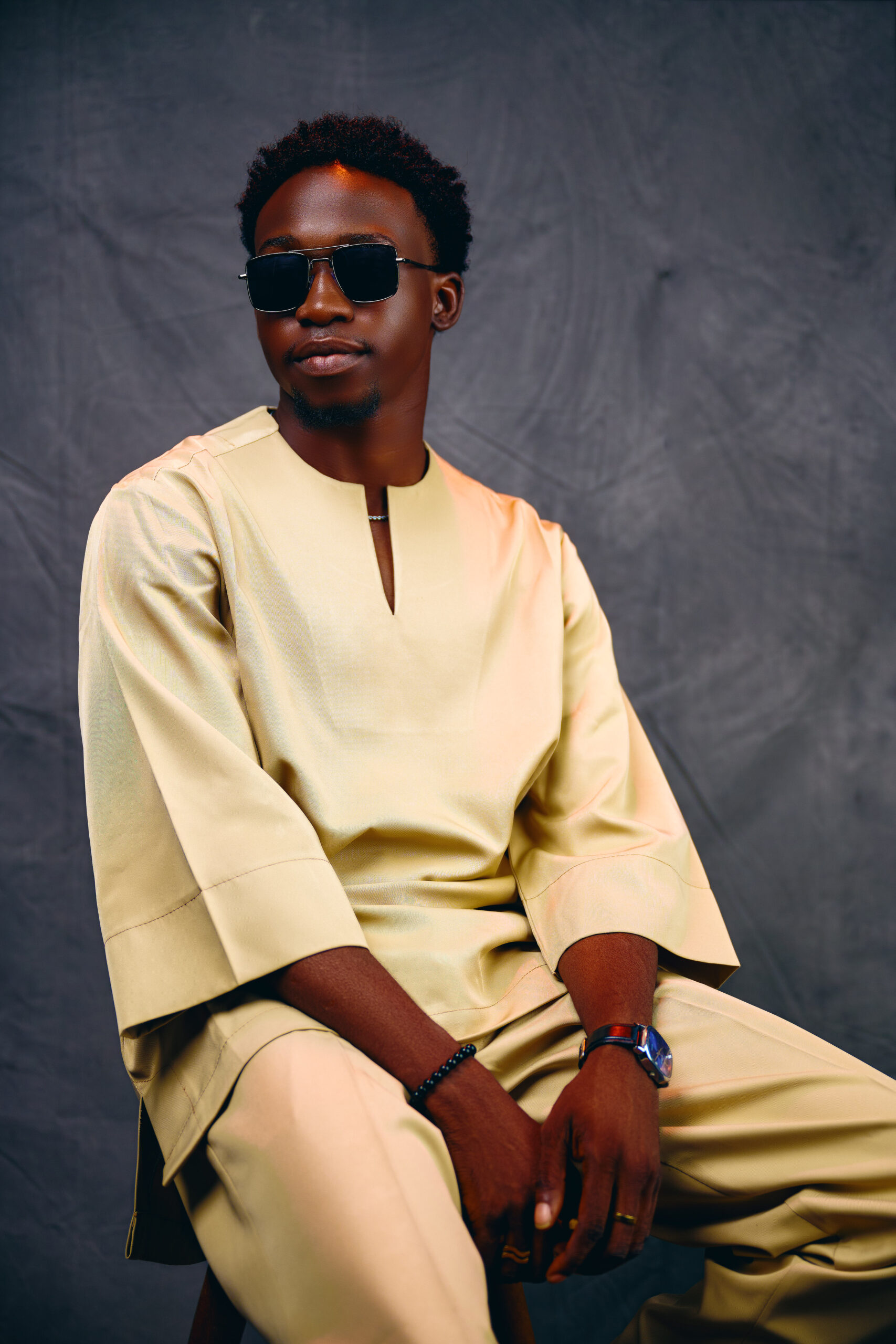
Even while working moment-to-moment, I’m thinking about the final outcome. Constanly asking myself, how will these images sit together? What story are they telling as a set? or is there consistency in tone, light, and feeling? Do they look cohesive as a story or are just disjointed individual images? This helps ensure that the final delivery isn’t just a collection of images, but a cohesive body of work.
Protecting the Experience
Perhaps most importantly, I’m paying attention to the experience itself. A photoshoot is not just about the final images, it’s also about how the process feels. If the environment feels rushed, overly critical, or uncomfortable, it shows in the photographs.
So part of my work is protecting that space:
- keeping things calm
- allowing room for mistakes
- making sure the process feels collaborative rather than performative
From the outside, a photoshoot may look like a series of simple actions, but behind the scenes, it’s a constant flow of observation, adjustment, and decision-making all working quietly to support one goal:
Creating images that feel honest, intentional, and lasting.